
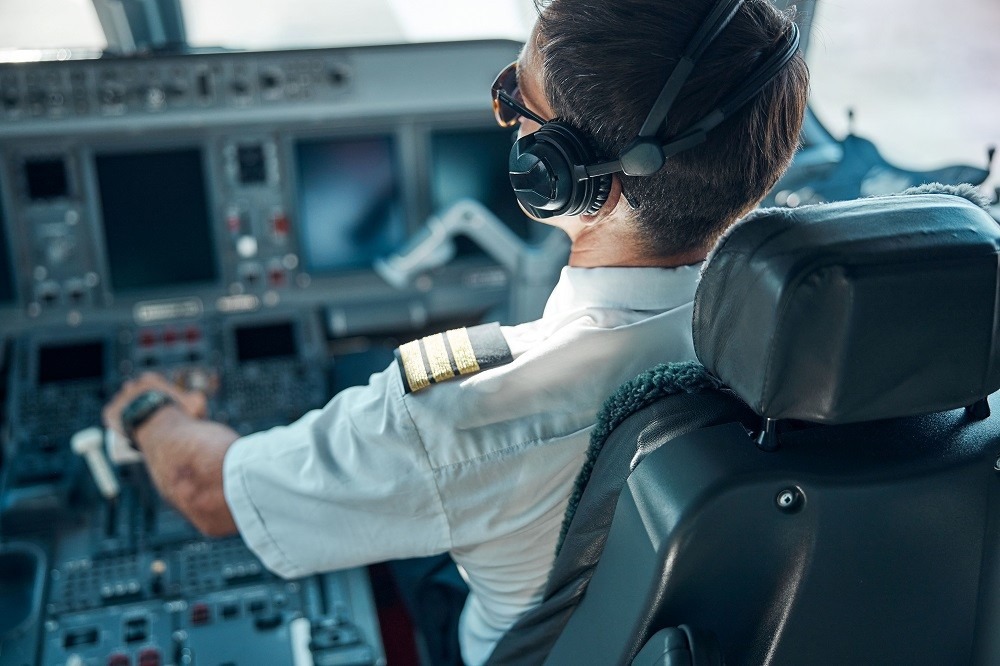
Choosing the best flying school in India is one of the most important decisions for aspiring pilots. A reputed aviation academy not only provides quality flight training but also helps students build the skills, confidence, and experience needed for a successful aviation career. With the rapid growth of the Indian aviation industry, the demand for professionally trained pilots continues to increase.
Selecting the right flying school can significantly impact your training quality, licensing process, and future job opportunities.
Why Choosing the Right Flying School Matters
Pilot training requires substantial investment in terms of time, effort, and money. A good flying school provides:
- Professional flight training
- Experienced instructors
- Modern aircraft
- Advanced simulators
- DGCA-approved curriculum
- Strong safety standards
The quality of training directly influences flying skills, exam performance, and airline readiness.
Factors to Consider When Choosing the Best Flying School in India
DGCA Approval
The first and most important factor is approval from the Directorate General of Civil Aviation. A DGCA-approved flying school follows official aviation training standards required for obtaining a Commercial Pilot License (CPL) in India.
Students should always verify the academy’s approval status before enrolling.
Training Infrastructure
A good aviation academy should have modern infrastructure and well-maintained training facilities.
Important Infrastructure Features
- Modern training aircraft
- Flight simulators
- Smart classrooms
- Maintenance facilities
- Aviation laboratories
- Safety systems
Advanced infrastructure improves both theoretical and practical learning experiences.
Fleet Size and Aircraft Availability
Aircraft availability plays a major role in completing flight hours on time. Schools with larger fleets can provide better scheduling flexibility and reduce training delays.
Students should check:
- Number of operational aircraft
- Aircraft maintenance standards
- Availability of simulator training
- Backup aircraft during maintenance periods
Consistent aircraft availability helps student’s complete CPL training faster.
Experienced Flight Instructors
Qualified and experienced instructors are essential for effective pilot training. Instructors should have:
- Strong flying experience
- DGCA certifications
- Professional teaching skills
- Good communication abilities
Experienced mentors help students build confidence and improve decision-making skills during flight operations.
Location and Weather Conditions
Weather conditions greatly affect flight training schedules. Flying schools located in regions with favorable weather can offer more flying days throughout the year.
Many students prefer locations with:
- Stable weather conditions
- Less air traffic congestion
- Better visibility for flight practice
This helps reduce delays in completing flying hours.
Course Fees and Training Costs
Pilot training in India can be expensive, so students should carefully evaluate the total cost structure.
Common Expenses Include
- Admission fees
- Flight training charges
- Simulator fees
- Examination fees
- Uniform and study material costs
- Accommodation expenses
Students should compare fee structures while also considering training quality and placement support.
Placement Support and Airline Preparation
Some flying schools provide airline preparation programs and placement assistance for students.
These programs may include:
- Interview preparation
- Group discussion training
- Aptitude test preparation
- Multi-crew coordination training
- Airline orientation sessions
Strong placement support can improve career opportunities after obtaining a CPL.
Safety Standards and Maintenance
Safety is one of the most critical aspects of aviation training. The best flying schools maintain strict safety protocols and aircraft maintenance standards.
Students should research:
- Safety records
- Maintenance procedures
- Instructor-to-student ratio
- Emergency training facilities
A strong safety culture reflects the professionalism of the academy.
Importance of Simulator Training
Modern flight simulators provide realistic training environments that help students practice:
- Emergency procedures
- Instrument flying
- Navigation techniques
- Weather-related operations
Simulator training enhances pilot skills while reducing operational risks and training costs.
Career Opportunities after Flight Training
Completing training from a reputed flying school opens opportunities in:
- Commercial airlines
- Cargo aviation
- Charter services
- Corporate aviation
- Flight instruction
- Regional airlines
India’s expanding aviation sector is expected to create significant demand for skilled pilots over the coming years.
Questions to Ask Before Joining a Flying School
Before taking admission, students should ask:
- Is the school DGCA approved?
- How many aircraft are operational?
- What is the average CPL completion time?
- Are instructors experienced?
- What are the total estimated costs?
- Is hostel accommodation available?
- Does the academy provide placement support?
Proper research can help students avoid unnecessary delays and financial issues.
Conclusion
Choosing the best flying school in India requires careful evaluation of training quality, infrastructure, instructor experience, aircraft availability, safety standards, and placement support. A well-established aviation academy can provide the foundation needed for a successful pilot career.
As India’s aviation industry continues to expand rapidly, professionally trained pilots will remain in high demand. Selecting the right flying school is the first step toward achieving long-term success in the aviation industry.
Ready to Start Your Pilot Journey?
Get free expert guidance from our airline pilot mentors.
📱 Talk to an Expert on WhatsApp