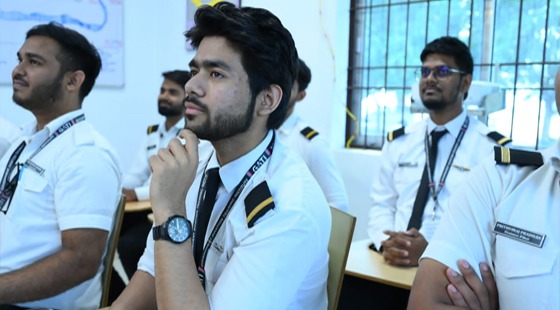
A DGCA Ground School is one of the most important steps for students preparing for a career in aviation. Before becoming a commercial pilot in India, students must clear the theoretical examinations conducted by the Directorate General of Civil Aviation (DGCA). Ground school training helps aspiring pilots understand aviation subjects, aircraft systems, air navigation, meteorology, regulations, and flight planning.
This DGCA Ground School Guide explains everything students need to know about ground classes, subjects, eligibility, fees, and career benefits.
What is DGCA Ground School?
DGCA Ground School is a classroom and theoretical training program designed for students pursuing:
- Commercial Pilot License (CPL)
- Private Pilot License (PPL)
- Airline Transport Pilot License (ATPL)
Ground school prepares students for DGCA written examinations and provides the academic foundation required for professional pilot training.
Why DGCA Ground School is Important
Ground school is essential because it helps students:
- Understand aviation concepts clearly
- Prepare for DGCA exams effectively
- Build technical aviation knowledge
- Improve flight safety awareness
- Develop professional pilot skills
Strong theoretical knowledge is necessary before beginning advanced flight training.
Subjects Covered in DGCA Ground School
1. Air Navigation
Air Navigation teaches pilots how to determine aircraft position, calculate routes, fuel planning, wind correction, and flight timing.
Topics include:
- Latitude and longitude
- Navigation charts
- Flight planning
- Radio navigation
- Time-speed-distance calculations
2. Aviation Meteorology
Meteorology helps pilots understand weather conditions and their impact on flight operations.
Key topics:
- Clouds and storms
- Wind systems
- Weather reports
- Visibility
- Turbulence
3. Air Regulations
This subject covers aviation laws and DGCA rules for safe aircraft operations.
Topics include:
- Air traffic rules
- Pilot responsibilities
- International aviation standards
- Flight safety regulations
4. Technical General
Technical General explains aircraft systems and engineering basics.
Students learn about:
- Aircraft engines
- Fuel systems
- Hydraulics
- Electrical systems
- Aircraft instruments
5. RTR (Radio Telephony Restricted)
RTR training prepares pilots for communication with Air Traffic Control (ATC). Effective communication skills are critical for aviation safety.
Eligibility for DGCA Ground School
Students generally need:
- Minimum 10+2 qualification with Physics and Mathematics
- Basic English communication skills
- Medical fitness as per DGCA standards
Many students join ground school immediately after Class 12.
Duration of DGCA Ground School
The duration depends on the training institute and student schedule.
Typical Duration:
- Regular Batch: 4–8 months
- Fast Track Batch: 2–4 months
- Weekend Batch: Flexible duration
DGCA Ground School Fees in India
Ground school fees vary based on institute reputation, faculty, study material, and facilities.
Approximate Fee Range:
- ₹80,000 to ₹3,00,000
Some institutes also provide:
- Online classes
- Recorded lectures
- Mock tests
- Interview preparation
- Airline preparation programs
Benefits of Joining a Good Ground School
Experienced Faculty
Top institutes provide guidance from experienced pilots and aviation trainers.
Structured Exam Preparation
Students receive proper study plans, mock tests, and revision support.
Better DGCA Exam Success Rate
Quality coaching improves chances of clearing DGCA exams on the first attempt.
Interview Preparation
Some institutes also prepare students for airline interviews and aptitude tests.
How to Choose the Best DGCA Ground School
Before selecting a training institute, students should check:
- Faculty experience
- DGCA exam results
- Student reviews
- Batch size
- Mock test support
- Study materials
- Online learning facilities
A demo class can help students understand the teaching style and training quality.
Career Opportunities After DGCA Ground School
After clearing DGCA exams and completing flight training, students can pursue careers as:
- Commercial Pilot
- Airline Pilot
- Charter Pilot
- Cargo Pilot
- Flight Instructor
- Corporate Pilot
India’s aviation industry is expanding rapidly, creating strong demand for trained pilots and aviation professionals.
Conclusion
A well-structured DGCA Ground School plays a major role in building a successful aviation career. It provides the theoretical foundation required to clear DGCA exams and become a professional pilot in India.
Students should choose a reputed institute with experienced faculty, strong academic support, and a proven success record to achieve the best results in aviation training and pilot career development.
Top of Form
Bottom of Form
Ready to Start Your Pilot Journey?
Get free expert guidance from our airline pilot mentors.
📱 Talk to an Expert on WhatsApp