
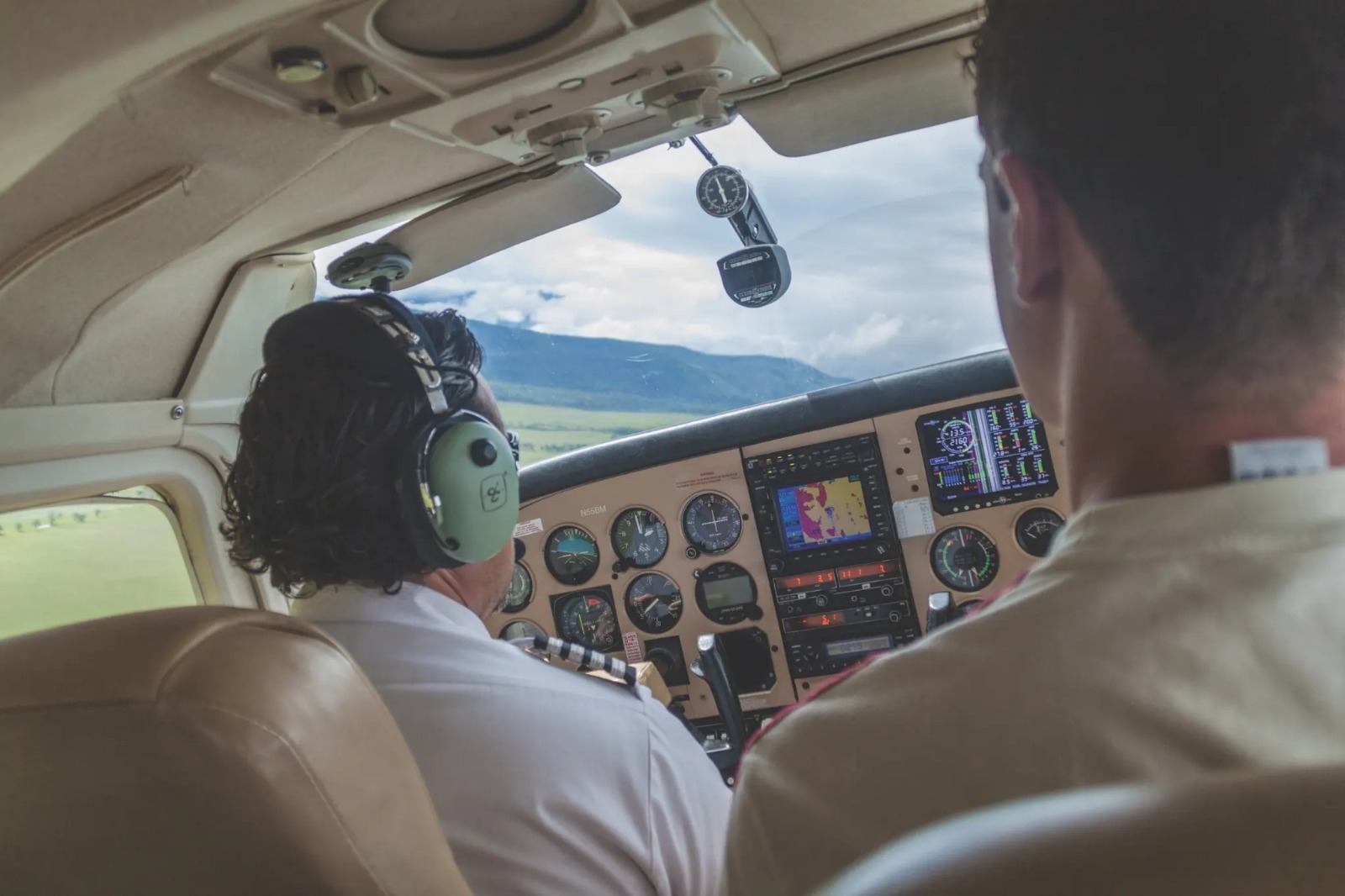
Common Landing Errors Student Pilots Make
Landing is one of the most challenging phases of flight and often takes the most practice to master. For student pilots, developing smooth and consistent landing techniques requires patience, proper instruction, and regular practice. Understanding common landing mistakes can help aspiring pilots improve their flying skills and build confidence in the cockpit.
Why Landing Skills Matter
A successful landing requires precision, coordination, situational awareness, and sound decision-making. Mastering landing techniques not only improves flight safety but also prepares students for advanced flight training and airline operations.
1. Incorrect Approach Speed
One of the most common mistakes is maintaining an improper approach speed.
- Too Fast: Can result in floating down the runway, longer landing distances, and harder braking.
- Too Slow: Increases the risk of a stall and an unstable approach.
Maintaining the recommended approach speed is essential for a safe and controlled landing.
2. Poor Glide Path Management
An unstable approach can make landing difficult. Student pilots should maintain the correct glide path using visual references and instructor guidance to ensure a smooth descent toward the runway.
3. Looking Too Close to the Aircraft
Many beginners focus on the area directly in front of the aircraft during landing. Instead, pilots should gradually shift their vision farther down the runway during the flare to improve height judgment and touchdown accuracy.
4. Improper Flare Technique
Flaring too early or too late is a common challenge.
- Early Flare: May cause the aircraft to lose speed and land hard.
- Late Flare: Can result in a firm touchdown or excessive landing impact.
Learning the correct timing through regular practice helps improve landing consistency.
5. Overcorrecting the Controls
Student pilots sometimes make large or abrupt control inputs during the final approach or flare.
Smooth, gentle, and coordinated control movements lead to more stable and comfortable landings.
6. Ignoring Crosswind Corrections
Crosswinds require proper aileron and rudder coordination to maintain runway alignment.
Learning crosswind landing techniques is essential for safe operations in varying weather conditions.
7. Inadequate Rudder Control
Failure to maintain directional control can cause the aircraft to drift from the runway centerline.
Proper rudder use keeps the aircraft aligned throughout the landing roll.
8. Not Following a Stabilized Approach
A stabilized approach means maintaining:
- Correct airspeed
- Proper descent rate
- Runway alignment
- Appropriate aircraft configuration
If the approach becomes unstable, executing a go-around is often the safest decision.
9. Delayed Go-Around Decision
Many student pilots hesitate to perform a go-around.
Professional pilots understand that a go-around is a normal and safe procedure whenever the landing approach is unstable or conditions are unsuitable.
10. Lack of Practice
Landing is a skill that improves with repetition.
Regular flying, simulator sessions, instructor feedback, and post-flight reviews help students develop confidence and consistency.
Tips to Improve Landing Skills
- Maintain the recommended approach speed.
- Keep your eyes focused farther down the runway during the flare.
- Practice smooth and coordinated control inputs.
- Learn proper crosswind landing techniques.
- Stay calm and avoid rushing the landing.
- Listen carefully to your instructor's guidance.
- Review each landing to identify areas for improvement.
- Practice regularly in different weather conditions.
The Importance of Instructor Guidance
Experienced flight instructors help students:
- Develop proper landing techniques.
- Correct mistakes early.
- Build confidence.
- Improve situational awareness.
- Understand aircraft handling in various conditions.
Constructive feedback after each flight plays a key role in steady improvement.
Why Choose we one Aviators?
we one Aviators provides aspiring pilots with comprehensive training and expert guidance through:
- DGCA Ground Classes
- Commercial Pilot License (CPL) Preparation
- Flight Training Guidance
- Experienced Aviation Instructors
- Simulator-Based Learning Support
- Personalized Mentorship
- Aviation Career Counseling
Our goal is to help every student become a skilled, confident, and safety-conscious pilot.
Conclusion
Every pilot starts as a student, and making mistakes during training is part of the learning process. By recognizing common landing errors and practicing the correct techniques under professional guidance, student pilots can improve their skills, enhance flight safety, and prepare for a successful aviation career. Consistent practice, discipline, and quality instruction are the keys to mastering aircraft landings.
Ready to Start Your Pilot Journey?
Get free expert guidance from our airline pilot mentors.
📱 Talk to an Expert on WhatsApp