
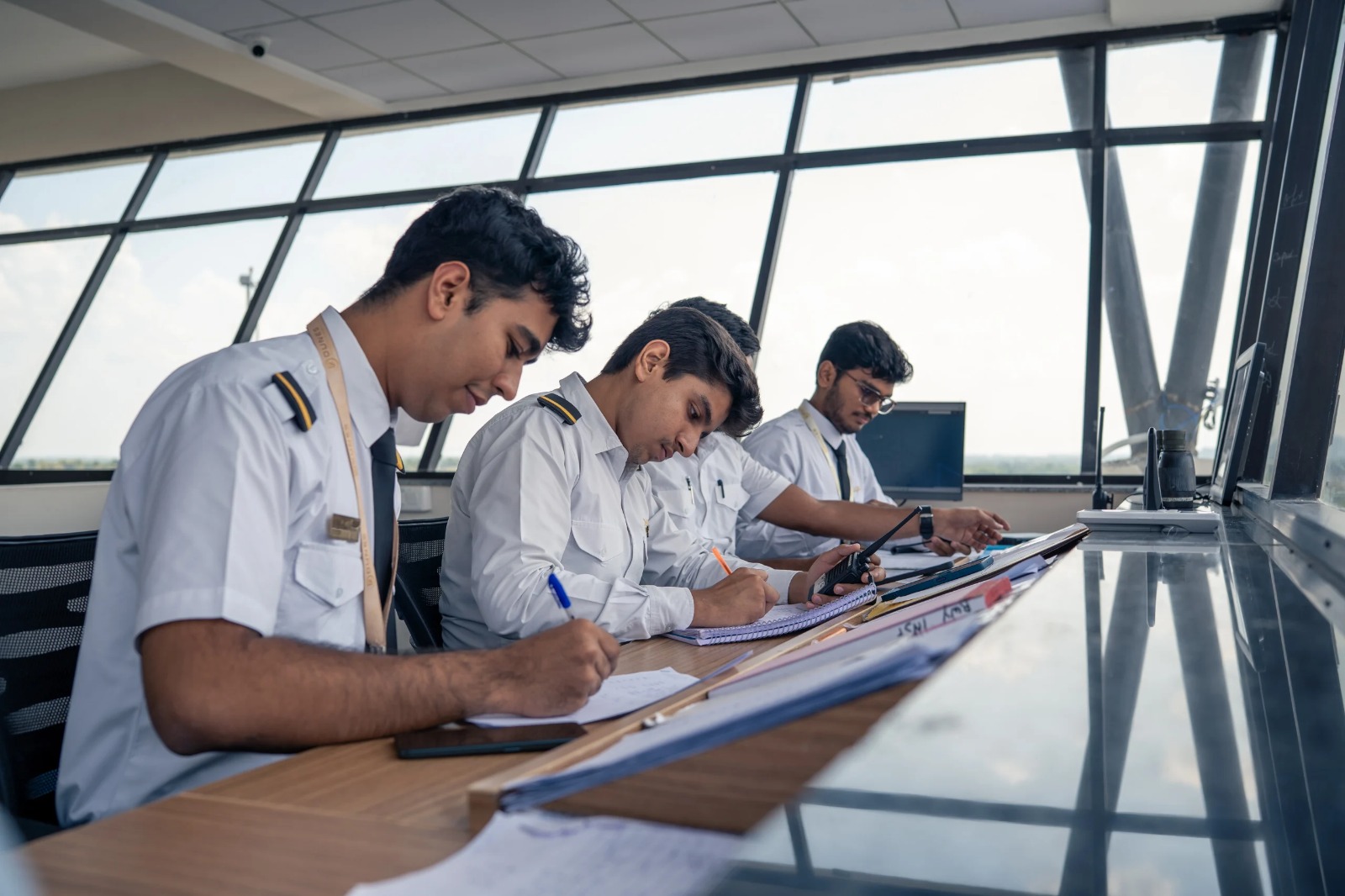
How Pilots Make Decisions under Pressure
Aviation requires pilots to make quick and accurate decisions while managing complex situations. From changing weather conditions to technical challenges, pilots must remain calm, focused, and safety-oriented. Decision-making under pressure is one of the most important skills developed during pilot training and plays a major role in becoming a successful aviation professional.
Why Decision-Making Skills Matter in Aviation
A pilot's primary responsibility is to ensure the safety of passengers, crew, and the aircraft. Effective decision-making helps pilots manage unexpected situations, reduce risks, and choose the safest possible action.
How Pilots Handle High-Pressure Situations
1. Rely on Training and Experience
Professional pilots are trained to handle various emergency and challenging scenarios. Repeated practice through flight training, simulations, and emergency drills helps pilots respond confidently instead of reacting emotionally.
2. Stay Calm and Maintain Focus
Remaining calm is essential during stressful situations. Pilots use controlled breathing, structured thinking, and standard procedures to maintain focus and avoid rushed decisions.
3. Follow Checklists and Procedures
Aviation relies heavily on standard operating procedures (SOPs) and checklists. These tools help pilots manage complex situations systematically and ensure important steps are not missed.
4. Analyze the Situation Quickly
Pilots evaluate multiple factors before making decisions, including:
- Aircraft condition
- Weather conditions
- Fuel status
- Airport options
- Passenger safety
- Available resources
This helps them select the safest solution.
5. Use Crew Resource Management (CRM)
Modern aviation emphasizes teamwork. Pilots work closely with co-pilots, cabin crew, and air traffic controllers to gather information and make better decisions.
6. Prioritize Safety Over Schedule
Professional pilots understand that safety always comes first. They may delay departure, change routes, or divert flights when conditions require it.
7. Develop Strong Situational Awareness
Pilots constantly monitor aircraft systems, weather, traffic, and surroundings. Strong situational awareness helps them identify potential problems before they become serious.
8. Manage Workload Effectively
During demanding situations, pilots prioritize tasks and focus on the most critical actions first. Proper workload management prevents errors and improves performance.
Decision-Making Skills Developed During Pilot Training
Pilot training helps students develop:
- Problem-solving abilities
- Critical thinking skills
- Confidence under pressure
- Risk assessment skills
- Communication skills
- Leadership qualities
- Professional discipline
Examples of Situations Where Pilots Make Critical Decisions
Pilots may need to make important decisions during:
- Severe weather conditions
- Aircraft system warnings
- Medical emergencies
- Unexpected runway conditions
- Fuel management situations
- Air traffic changes
- Engine-related issues
In every situation, trained pilots follow procedures and prioritize safety.
How Student Pilots Can Improve Decision-Making Skills
Aspiring pilots can develop better decision-making by:
- Practicing emergency procedures regularly
- Learning aviation regulations
- Improving technical knowledge
- Participating in simulator training
- Reviewing flight experiences
- Learning from experienced instructors
- Developing confidence through practice
Why Choose Flystar Aviators?
Flystar Aviators prepares aspiring pilots with the skills required for a successful aviation career through:
- DGCA Ground Classes
- CPL Preparation
- Flight Training Guidance
- Instrument Training Support
- Aviation Career Counseling
- Professional Pilot Mentoring
Our training focuses not only on flying skills but also on developing confident, safety-focused, and responsible pilots.
Conclusion
Great pilots are not defined only by their ability to fly an aircraft but also by their ability to make smart decisions under pressure. Through proper training, experience, teamwork, and discipline, pilots learn to handle challenging situations with confidence and professionalism. Developing strong decision-making skills is a key step toward becoming a successful airline pilot.
Ready to Start Your Pilot Journey?
Get free expert guidance from our airline pilot mentors.
📱 Talk to an Expert on WhatsApp